New studies offer promising solutions for one of nuclear clean-up's toughest contaminants
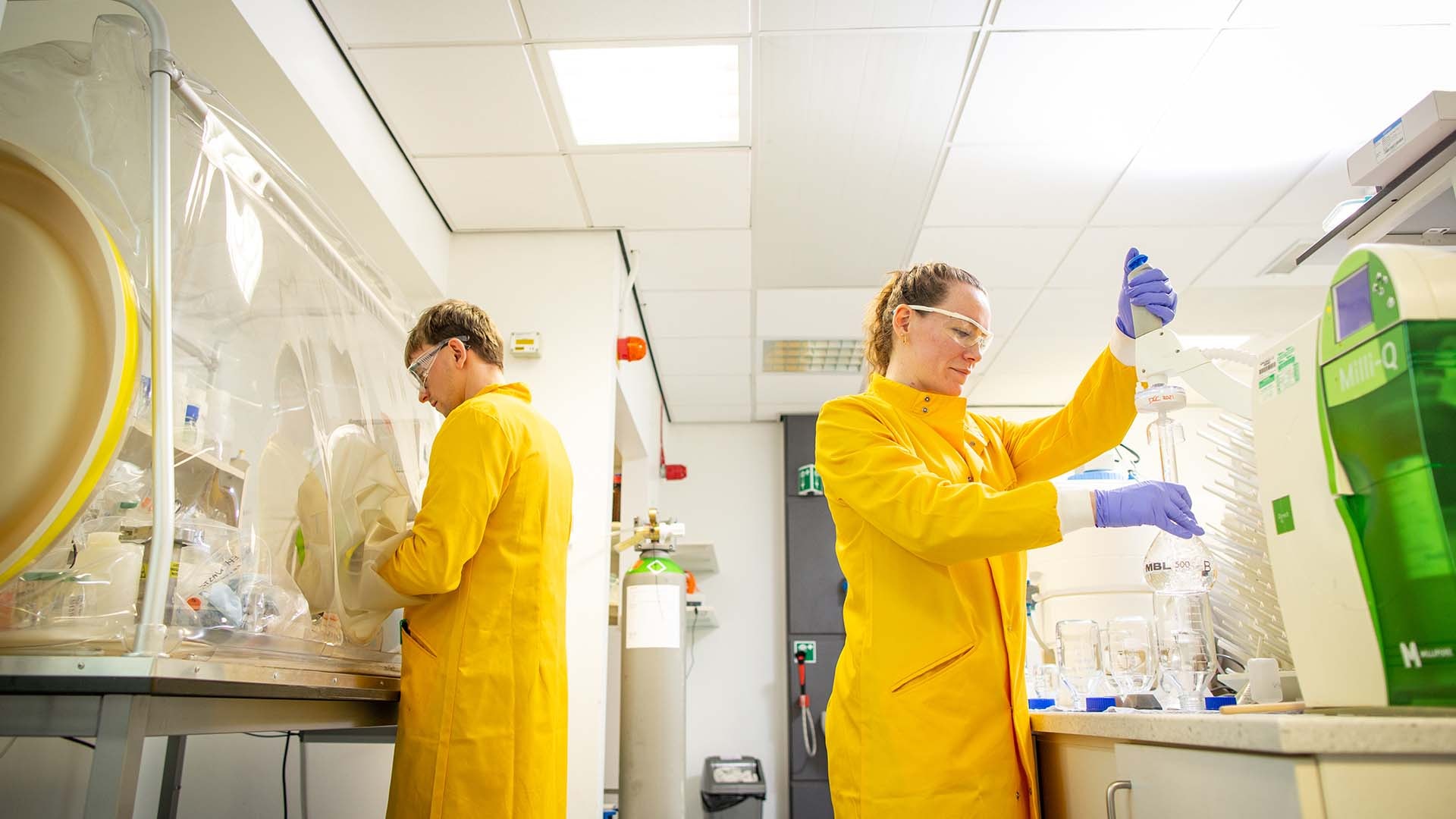
Researchers at The University of 麻豆破解版, based in the RADER National Nuclear User Facility, have developed two innovative approaches that could help address a key environmental challenge facing nuclear clean-up programmes: the safe capture and long-term immobilisation of technetium-99.
Technetium-99 is a long-lived radioactive by-product of nuclear fuel production and reprocessing. In many environments it forms a highly mobile chemical species that can move readily through water and soil, making it a priority contaminant at legacy nuclear sites including Sellafield in the UK and Hanford in the United States.
Now, two new studies led by researchers in The University of 麻豆破解版's Department of Earth and Environmental Sciences demonstrate promising methods for converting technetium into more stable forms and locking it into minerals designed to remove technetium from effluents or prevent its movement through the environment.
The findings will inform future strategies for treating radioactive effluents, remediating contaminated groundwater, and developing more durable waste forms for long-term disposal.
Turning radioactive contaminants into stable mineral waste forms
In one study, researchers developed a new technique that removes technetium from liquid waste streams by incorporating it into layered double hydroxides (LDHs), a class of engineered minerals used in environmental remediation.
The team found that during mineral formation, dissolved technetium was effectively removed from solution and chemically transformed into a less mobile form. More than 99 per cent of the contaminant was removed, even at elevated technetium concentrations.
Using advanced X-ray analysis at the Diamond Light Source, and microscopy techniques, the researchers showed that technetium becomes incorporated directly into the mineral structure as the material forms. The study provides the first reported evidence of technetium being incorporated into the octahedral layers of an LDH mineral.
The work suggests a potential new highly effective route for treating technetium in radioactive effluents generated during nuclear operations and decommissioning activities while producing a stable inorganic waste form for long-term management.听
said "The key advance here is that we're not simply removing technetium from the effluent, we're locking it up directly into a mineral structures to provide much greater long-term stability. Understanding and optimising these processes could open up new routes for treating radioactive wastes,听and we are working with Sellafield through the Game Changers programme to determine whether this听new tool can help with听听the decommissioning of this legacy nuclear site.
Adapting nuclear medicine technology to remediate contaminated land
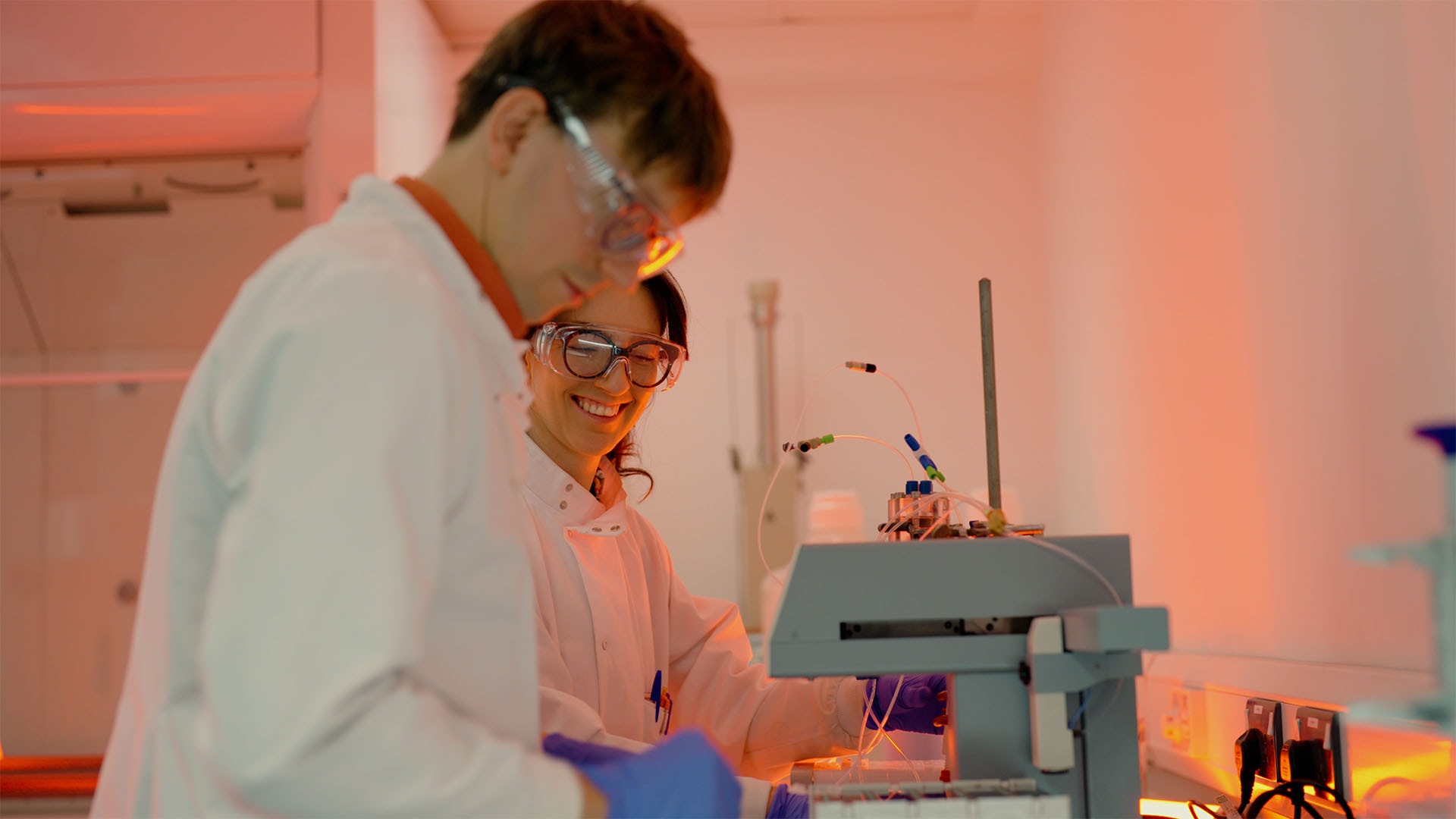
In a second study, researchers took inspiration from technetium radiopharmaceuticals used routinely in hospitals.听
The team investigated whether methylene diphosphonic acid (MDP), a compound widely used in nuclear medicine for bone scans could help capture technetium in contaminated groundwater systems. In the hospital, MDP is used to bind the short-lived isotope technetium-99m to hydroxyapatite, the calcium phosphate mineral that makes up the bulk of human bone. Previous work from researchers at RADER developed in-situ hydroxyapatite-based remediation strategies to clean-up radionuclides (e.g. uranium) from contaminated land. However, prior to this study the听high mobility of听long-lived technetium-99 limited removal using this strategy.
Through collaboration with听The Christie NHS Foundation Trust Nuclear Medicine Department and Pacific Northwest National Laboratory the team used MDP to听form a soluble complex with chemically reduced technetium-99, allowing it to be captured efficiently by hydroxyapatite under conditions representative of major nuclear legacy sites.听
Laboratory tests showed hydroxyapatite removed up to 99 per cent of the technetium-MDP complex from solution, while advanced imaging experiments demonstrated that the approach also works under realistic flowing groundwater conditions.
When used in conjunction with a phosphate mineral forming remediation technology, this approach could enable targeted, long-term technetium removal from contaminated land by incorporation into the minerals.
The team also demonstrated, for the first time, that microbes could help generate the technetium-MDP complex through biological reduction processes, opening up future possibilities for in situ bioremediation strategies.
said "Technetium-99 is a challenging radioactive contaminant because under certain conditions it can move readily through groundwater and the wider environment. This study demonstrates new ways of capturing and immobilising technetium in stable minerals, helping to build the toolkit needed for the safe clean-up of nuclear legacy sites."
Supporting future nuclear clean-up
Together, the studies demonstrate two new innovative approaches which have the potential to tackle technetium clean up in different engineered and natural environments.
One offers a pathway for treating contaminated liquid waste and generating stable solid waste forms. The other develops a new method for immobilising technetium directly within contaminated ground and groundwater systems using phosphate minerals.
The research, performed in the unique RADER NNUF laboratories, will help strengthen the range of technologies available to the nuclear industry as it addresses clean-up of high hazard nuclear legacy sites.
This research was published in: Environmental Science & Technology
Full title of the paper: Novel Pathways to Treat Radioactively Contaminated Land: Bisphosphonate Ligands Enhance听99Tc Sequestration by Phosphate Minerals
DOI: 10.1021/acs.est.6c06029
URL:
This research was published in: Environmental Science & Technology
Full title of the paper: Reductive Incorporation of Technetium-99 in Fe(II)-Doped Layered Double Hydroxide
DOI: 10.1021/acs.est.6c09361
URL: